The Ultimate Checklist for Expats Starting a Business in the UK: Essential Steps and Insights

The Ultimate Checklist for Expats Starting a Business in the UK sets the stage for a comprehensive journey into the intricacies of establishing a business in a foreign land, offering invaluable guidance and tips along the way.
Researching the UK Business Environment
When considering starting a business in the UK as an expat, it’s crucial to conduct thorough research on the business environment to ensure success. This involves identifying key industries, understanding legal requirements, and being aware of tax implications.
Key Industries in the UK, The Ultimate Checklist for Expats Starting a Business in the UK
- Technology: The UK is a hub for tech startups, with cities like London and Manchester attracting tech entrepreneurs from around the world.
- Finance: London is a global financial center, making it an ideal location for fintech startups and financial services businesses.
- Healthcare: The UK has a strong healthcare sector, offering opportunities for expats looking to start businesses in healthcare technology or services.
Legal Requirements for Starting a Business in the UK
- Register your business with Companies House and choose a business structure, such as a sole trader, partnership, or limited company.
- Obtain necessary permits and licenses based on the nature of your business activities.
- Comply with employment laws, including hiring employees legally and providing necessary benefits.
Tax Implications for Expats Starting a Business in the UK
- Understand your tax obligations as an expat business owner, including corporate tax rates and VAT requirements.
- Consider seeking professional tax advice to ensure compliance with UK tax laws and maximize tax efficiency for your business.
- Be aware of tax treaties between the UK and your home country to avoid double taxation and take advantage of any tax benefits.
Setting Up a Business Entity in the UK: The Ultimate Checklist For Expats Starting A Business In The UK
Starting a business in the UK involves choosing the right business structure, registering your business, and ensuring compliance with the local regulations. Here, we will discuss the different business structures available in the UK, provide a step-by-step guide on registering a business, and delve into the implications of choosing a business name and trademark registration.
Different Business Structures in the UK
In the UK, the most common business structures are sole trader and limited company. Here is a brief comparison of the two:
- Sole Trader:As a sole trader, you run your business as an individual. You are personally responsible for your business debts and can keep all the profits after tax. This structure is easy to set up and has fewer reporting requirements.
- Limited Company:A limited company is a separate legal entity from its owners. The company’s finances are separate from the personal finances of its owners, providing limited liability protection. Setting up a limited company involves more administrative tasks and reporting requirements.
Step-by-Step Guide on Registering a Business in the UK
To register a business in the UK, follow these steps:
- Choose a business name that is unique and not already in use.
- Decide on the business structure
sole trader, limited company, partnership, etc.
- Register your business with Companies House if you choose a limited company structure.
- Set up your business for tax purposes with HM Revenue and Customs (HMRC).
- Open a business bank account to keep your business finances separate from personal finances.
Implications of Choosing a Business Name and Trademark Registration
Choosing the right business name is crucial as it represents your brand identity. Make sure the name is unique, easy to remember, and relevant to your business. Consider trademark registration to protect your brand name, logo, or slogan from being used by others.
This can help prevent legal issues and ensure exclusivity for your business in the market.
Understanding Financial Management

Financial management is a crucial aspect of starting and running a successful business in the UK. Expats need to understand the banking options available, create a solid business budget, and project their financial needs accurately.
Banking Options for Expats
- Expats can choose from a variety of banking options in the UK, including traditional banks, online banks, and specialized expat banking services.
- Consider factors such as fees, transaction limits, online banking capabilities, and customer service when selecting a bank.
- It is essential to open a business bank account to separate personal and business finances, maintain financial records, and build a credit history for the business.
Importance of Creating a Business Budget and Financial Projections
- Creating a business budget helps expats plan and allocate resources effectively, control expenses, and track financial performance.
- Financial projections provide a roadmap for the business’s financial future, helping expats set realistic goals and make informed decisions.
- Regularly revising and updating the budget and financial projections based on actual performance is crucial for staying on track and adapting to changing circumstances.
Requirements for Opening a Business Bank Account in the UK
- Expats need to provide proof of identity, proof of address, business registration documents, and potentially a business plan to open a business bank account in the UK.
- Some banks may require a minimum deposit or ongoing balance to maintain the account, so it is essential to consider these requirements when choosing a bank.
- Understanding the bank’s fees, interest rates, and additional services can help expats select the best business bank account for their needs.
Hiring Employees and Human Resources
When starting a business in the UK, one crucial aspect to consider is hiring employees and managing human resources effectively. This involves understanding the legal requirements, employment contracts, and workplace health and safety regulations in the country.
Process of Hiring Employees in the UK
- Identifying the need for hiring: Determine the roles and responsibilities you need to fill within your business.
- Recruitment process: Advertise the job positions, conduct interviews, and select the most suitable candidates.
- Offering employment: Provide a formal job offer to the selected candidates outlining the terms and conditions of their employment.
- Right to work checks: Ensure that all employees have the legal right to work in the UK by verifying their documents.
Importance of Employment Contracts and Employee Rights
- Legal protection: Employment contracts protect the rights of both the employer and the employee by outlining terms of employment, duties, and responsibilities.
- Clarity and expectations: Contracts help set clear expectations for both parties regarding working hours, pay, benefits, and other important aspects of employment.
- Dispute resolution: In case of any disagreements or disputes, having a written contract can help resolve issues more effectively.
Implications of Workplace Health and Safety Regulations in the UK
- Legal obligations: Employers are required to ensure the health, safety, and welfare of their employees while they are at work.
- Risk assessment: Conduct regular risk assessments to identify potential hazards in the workplace and take necessary measures to minimize risks.
- Training and awareness: Provide employees with adequate training on health and safety procedures to prevent accidents and injuries.
Marketing and Branding Strategies
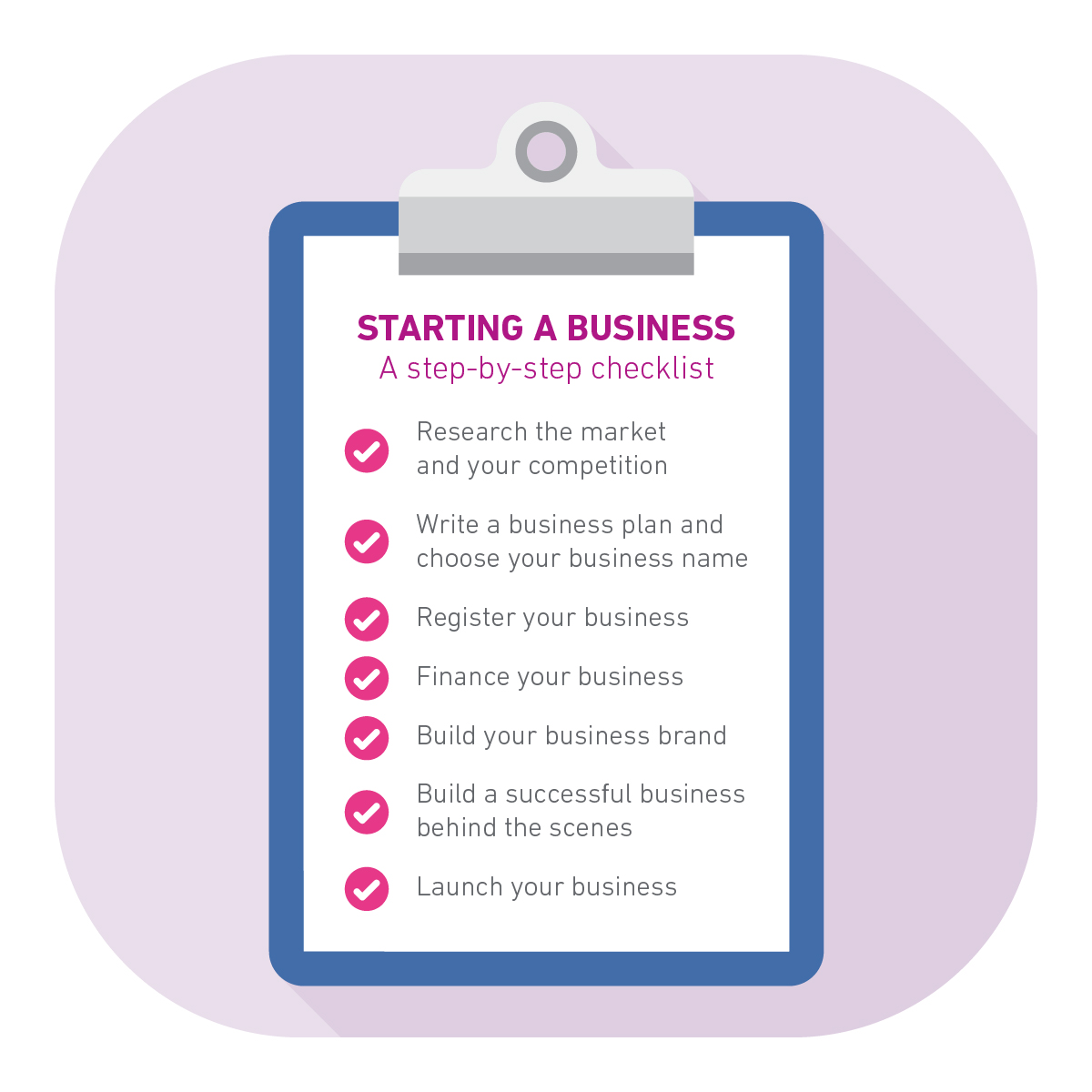
When starting a business in the UK as an expat, it is crucial to have a solid marketing and branding strategy in place. Market research, creating a tailored marketing plan, and building a strong brand identity are key components to ensure success in the competitive UK market.
Importance of Market Research
Market research is essential for expats starting a business in the UK as it provides valuable insights into the local market, consumer behavior, and competitors. By understanding the needs and preferences of the target audience, expats can tailor their products or services to meet demand effectively.
Tips for Creating a Marketing Plan
- Identify your target audience: Understand who your ideal customers are and tailor your marketing efforts to reach them.
- Utilize digital marketing: Invest in online channels such as social media, , and email marketing to reach a wider audience and increase brand visibility.
- Collaborate with influencers: Partnering with influencers or industry experts can help boost brand credibility and reach a larger audience.
- Analyze and adjust: Regularly monitor the performance of your marketing campaigns and make adjustments based on data and feedback to optimize results.
Significance of Branding
Branding plays a crucial role in setting your business apart from competitors and creating a strong connection with consumers. A well-defined brand identity helps build trust, loyalty, and recognition among customers, ultimately leading to increased sales and market presence.
Closing Summary

In conclusion, The Ultimate Checklist for Expats Starting a Business in the UK equips expatriates with the necessary tools and knowledge to navigate the complexities of entrepreneurship in a new country, ensuring a smooth and successful business launch.
Expert Answers
What are the key industries expats should consider in the UK?
Answer: Key industries in the UK for expats to consider include technology, finance, and healthcare.
What are the legal requirements for starting a business in the UK?
Answer: Legal requirements for starting a business in the UK include registering your business with Companies House and complying with tax regulations.
How can expats open a business bank account in the UK?
Answer: Expats can open a business bank account in the UK by providing necessary documents such as proof of identity and address.
What is the importance of market research for expats starting a business in the UK?
Answer: Market research helps expats understand the local market, competition, and target audience, enabling them to make informed business decisions.
Why is branding important for expats starting a business in the UK?
Answer: Branding helps expats differentiate their business, build credibility, and attract customers in the competitive UK market.